⌕01 / SEO
Technical foundations
Improve the signals that help search engines reach, crawl and understand important pages.
 AI SEARCH GROWTHBack to Signal ↗
Bring technical SEO, answer-ready content and AI search visibility into one managed workflow. AI handles repeatable research and preparation; SALYANT brings the strategy, quality checks and approval-led delivery.
A practical route from diagnosis to reviewed improvements—without pretending rankings or AI citations can be guaranteed.
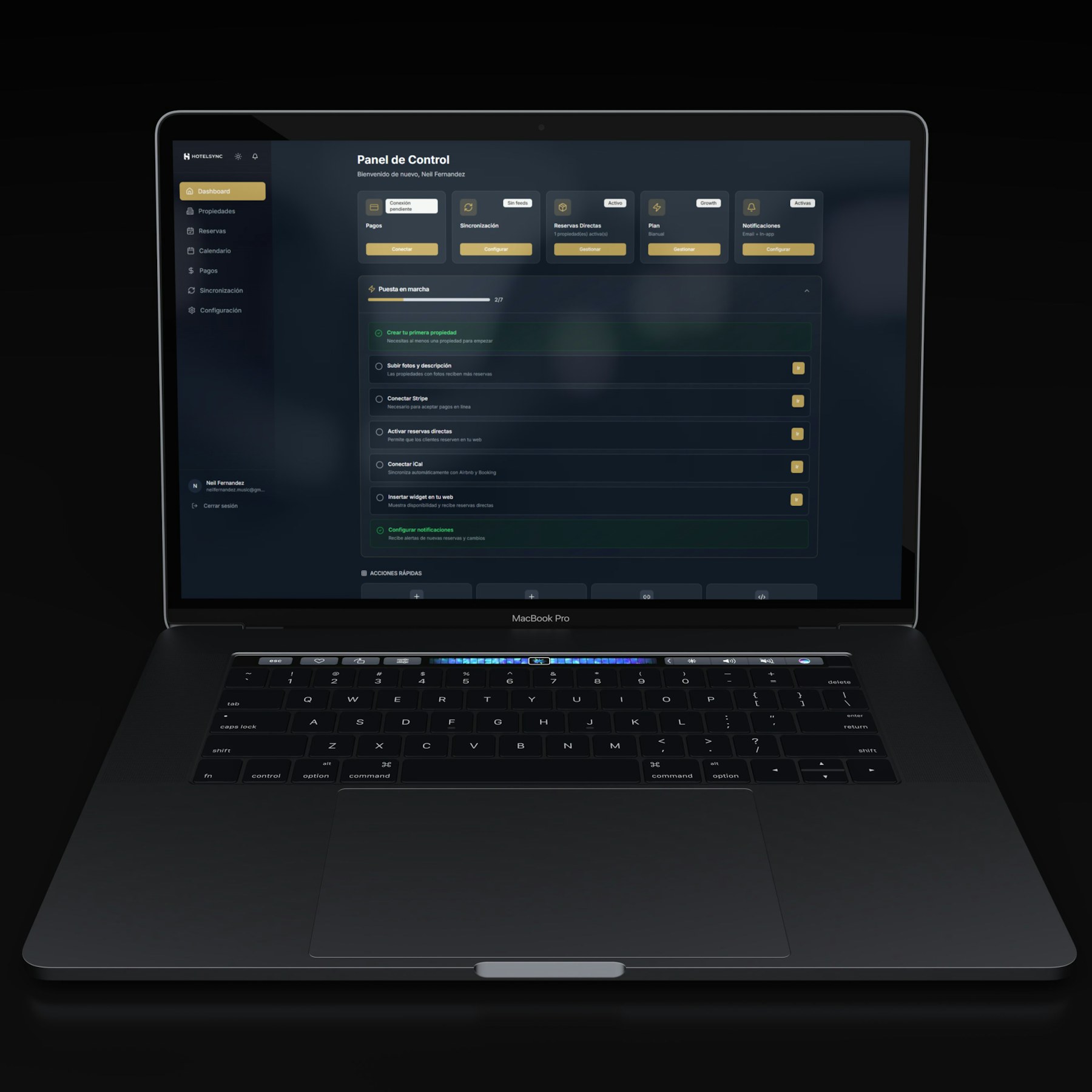
Work across traditional search and AI-assisted discovery is coordinated, prioritised and measured together.
Improve the signals that help search engines reach, crawl and understand important pages.
Map real customer questions to clear pages with direct answers, context and supporting evidence.
Strengthen organisation, service and product context, structured data and factual consistency.
Maintain a priority queue, validate approved changes and use fresh evidence to decide what comes next.
A repeatable six-stage cycle makes work visible, reviewable and easier to improve.
Review website evidence, current visibility, technical health and business priorities.
Rank opportunities by impact, confidence, effort and commercial relevance.
Prepare technical recommendations, content briefs, drafts and validation criteria.
Review evidence, claims, scope and implementation risk before release.
Human approval gateDeliver approved work through authorised access and a controlled release process.
Validate the outcome, record what changed and reprioritise the next cycle.
Automation reduces repetitive preparation. Your team stays focused on strategy, customers and the approvals that need human judgement.

Organise technical signals, page evidence, query themes and competitor context into a reviewable brief.
Turn approved topics and real questions into briefs, outlines, metadata suggestions and drafts.
Group crawl, internal-link, metadata and structured-data issues, then recheck approved fixes.
Rank work by impact, confidence, effort and business relevance—not disconnected task lists.
Review factual claims, content, code and release risk before changes reach the live website.
Track completed work, validated changes and agreed measures against a recorded baseline.
Set your own workload and cost assumptions. The calculator models potential capacity released—not a promised saving or a claimed customer result.
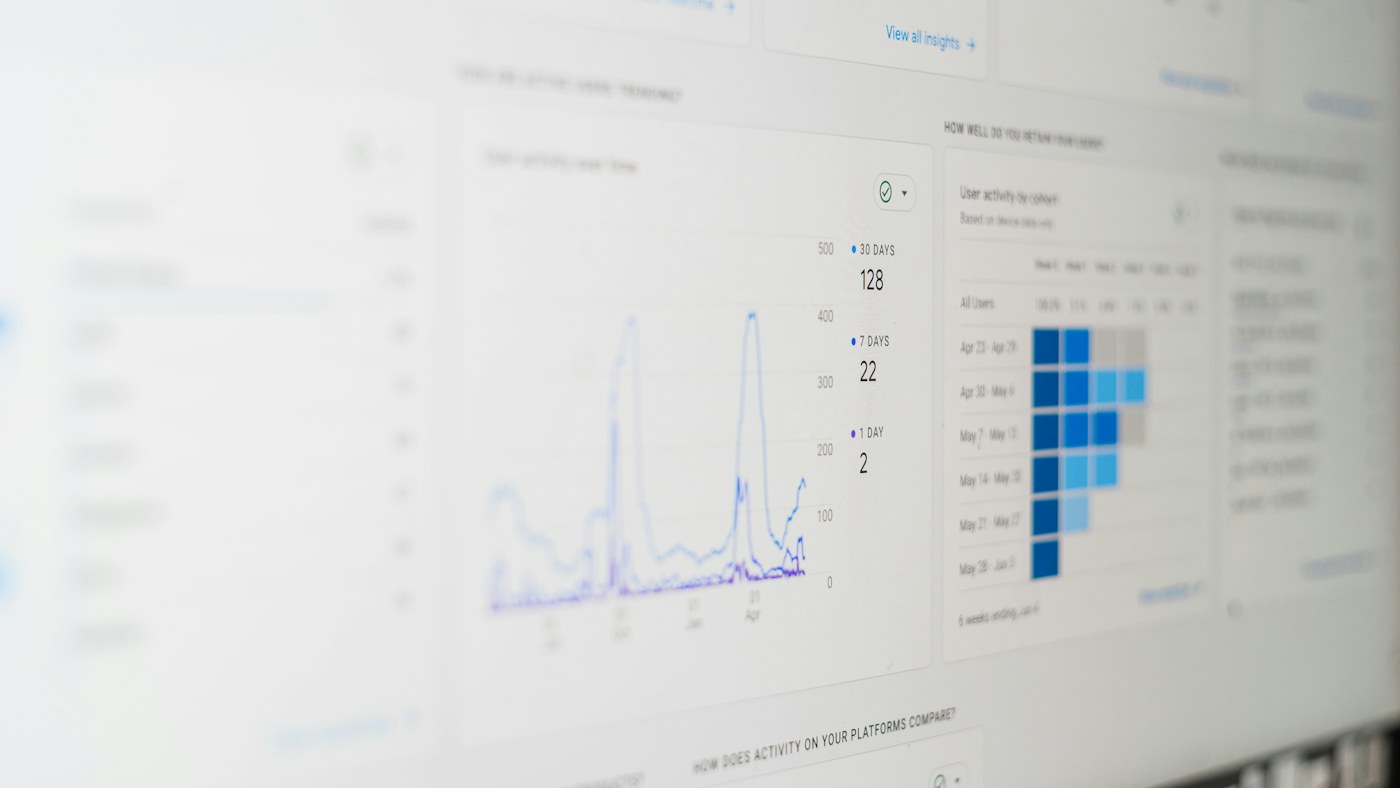
potential monthly capacity released
Labour-equivalent value before service fees, implementation costs, VAT or additional review effort.
Calculation: monthly task hours × your selected assisted share × your blended hourly cost. The percentage is your own scenario input, not an industry benchmark. Actual capacity released must be measured against a baseline during a scoped pilot.
Review the website, access, goals, measurement sources and approval process. Agree what is in scope and which tasks are safe to automate.
Rank the technical, content and AI-search work by evidence, likely impact, effort and business relevance. Confirm the first delivery batch.
Produce reviewed changes, implement only the approved scope, check the live result and document what changed.
Review completed work and available search data, compare with the baseline and choose the next set of improvements.
Indicative planning sequence only. Timing depends on site size, access, technical dependencies, content approvals and the agreed monthly capacity.
There is no universal uplift that applies to every site. Agree baselines first, then report the delivery and search indicators your data can actually support.
A well-scoped first 90 days should produce a documented starting point, an agreed backlog, an initial batch of reviewed improvements, a repeatable approval workflow and a comparison against the baseline. Visibility and lead outcomes may take longer and depend on competition, demand and wider site quality.
| Workstream | AI-assisted work | Human control |
|---|---|---|
| Research and planning | Evidence collection, clustering and draft priorities. | Confirm commercial relevance and choose the work. |
| Content operations | Briefs, outlines, metadata suggestions and first drafts. | Approve facts, brand voice, claims and final copy. |
| Technical SEO | Checks, issue grouping, proposed fixes and validation notes. | Review implementation risk and authorise releases. |
| AEO and GEO | Question mapping, answer structure and entity/source consistency checks. | Verify accuracy, evidence and usefulness to customers. |
| Reporting | Change logs, recurring summaries and baseline comparisons. | Interpret results and set the next priorities. |
Signal is live as the diagnostic layer: audits, evidence-backed findings and read-only improvement plans. AI Search Growth engagements are scoped and delivered with SALYANT oversight. Customer CMS connections, autonomous publishing and scheduled account-level monitoring are not yet self-serve features inside Signal.
That boundary is deliberate. Proposed changes are reviewed, approved, implemented and verified before they are described as live. The pilot establishes which steps can safely be automated for your website.
Human-reviewed Signal evidence, commercial-impact assessment, prioritised SEO/AEO/GEO roadmap, implementation recommendations and a clearly scoped first work package. The Blueprint fee is credited against the first agreed implementation engagement commissioned from that roadmap.
B2B fee quoted ex VAT.
Discuss a Blueprint ↗AI-assisted research and prioritisation, agreed technical and content changes, approval controls, validation and measurement against objectives defined at onboarding. Includes a monthly performance and delivery review.
B2B fee quoted ex VAT. Each statement of work sets the monthly capacity, named workstreams, reporting measures, approval responsibilities and delivery limits. Work outside the agreed scope is separately quoted; this is not an unlimited-change plan.
Discuss managed optimisation ↗Multi-site and multi-market optimisation for UK mid-market groups, PE-backed businesses and portfolio companies. Includes executive-level prioritisation, coordinated workstreams and agreed governance.
B2B fees ex VAT. Scope, reporting cadence, service capacity and company/site coverage are agreed before work begins.
Discuss a portfolio programme ↗Explore the dedicated portfolio AI Search programme ↗
These are indicative professional-service engagement ranges, not self-service subscriptions. Implementation projects are separately scoped and quoted (typically from £5,000 ex VAT, depending on scope). Signal and AI Search Growth do not guarantee rankings, traffic, leads or citations in AI-generated answers.
No. Signal is live as a diagnostic and read-only improvement-planning tool. AI Search Growth is delivered through individually scoped, SALYANT-supervised engagements. Customer CMS integrations, self-serve publishing and unattended autonomous production changes are not currently available in the Signal dashboard.
No. The programme is designed around an explicit approval boundary. The website owner must approve the changes and implementation scope before production work proceeds.
No. Search engines and AI systems are outside any provider's control. We commit to agreed work, evidence, validation and reporting—not a guaranteed ranking or citation outcome.
No. Signal is a convenient diagnostic entry point, but businesses with an existing audit or a clear brief can request an AI Search Growth pilot directly.
Start with the Blueprint for an evidence-led roadmap, or discuss managed delivery when you are ready for an agreed monthly programme. Scope, capacity, reporting and approval responsibilities are documented before implementation begins.